The Future of Blower Housing Innovations in HVAC Technology
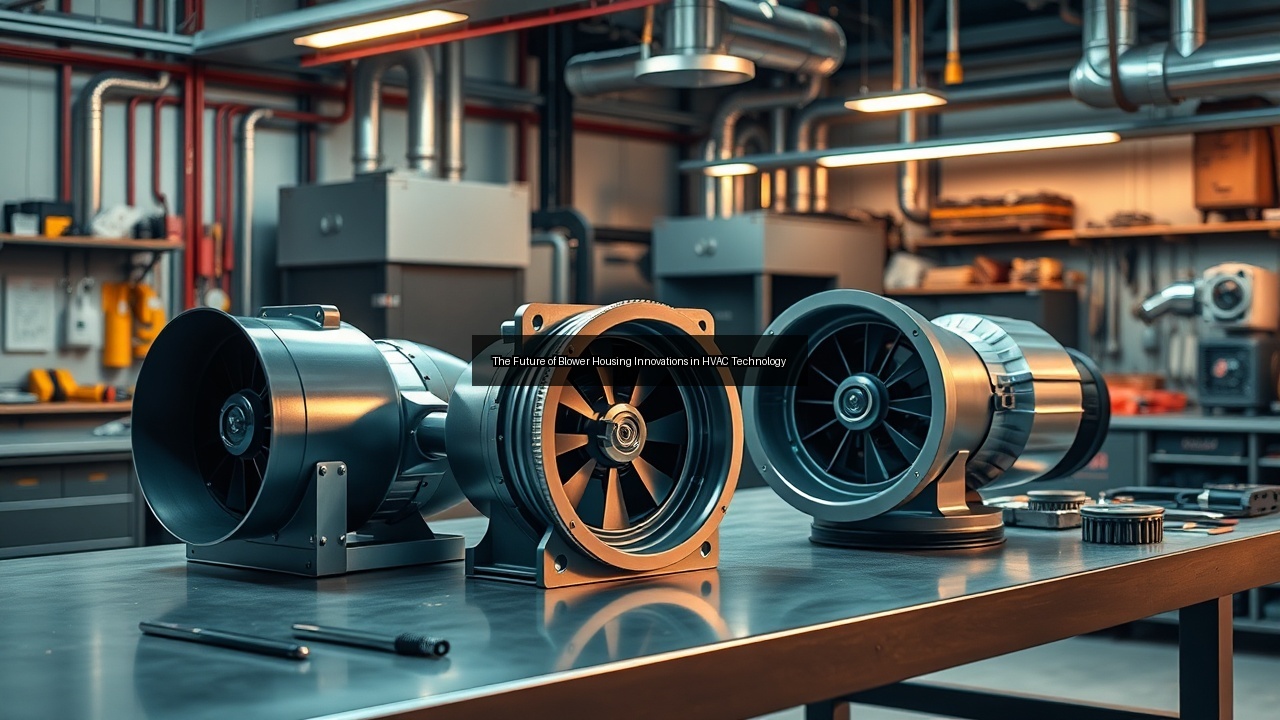
Current Trends in HVAC Blower Housing Technology
Advancements in Blower Fan Design
The design of blower fans has undergone significant changes, reflecting the demand for improved efficiency and performance in HVAC systems. Modern blower fans are engineered to maximize airflow while minimizing noise. Innovations such as variable speed motors allow these fans to adjust their speed based on real-time needs, leading to enhanced energy efficiency. The integration of aerodynamic designs in the fan blades improves the airflow without increasing energy consumption, making them a key component in the overall functionality of the HVAC blower housing assembly blower housing. Manufacturers continuously test new configurations to achieve optimal performance, ensuring that every HVAC system can operate at peak efficiency.
Energy Efficiency in Blower Motors
Energy efficiency remains a top priority in the development of blower motors used in HVAC systems. The latest blower motors leverage advanced technologies, such as electronically commutated motors (ECMs), which reduce energy consumption significantly compared to traditional induction motors. These motors adapt their output based on the HVAC system's demands, thus improving overall system efficiency. As energy costs rise, HVAC systems equipped with high-efficiency blower blower housing assembly motors not only provide better performance but also contribute to cost savings for homeowners and businesses alike. OEMs are increasingly focusing on integrating these energy-efficient blower motors into their HVAC systems, setting new benchmarks for sustainability in the industry.
The Role of Air Filters in Blower Housing
Air filters play a critical role in the performance of blower housings in HVAC systems. They ensure that clean air circulates through the system, improving indoor air quality and prolonging the lifespan of the equipment. Recent innovations in air filter technology have led to filters that capture a higher percentage of particulate matter, allergens, and pollutants. Moreover, the design of the blower housing often accommodates easy access to air filters, allowing for simple maintenance and replacement. This focus on user-friendly design reflects a broader trend in HVAC technology that prioritizes both efficiency and ease of use, making it essential for homeowners to stay proactive about filter maintenance to optimize their HVAC systems.
Innovative Materials and Manufacturing Techniques
Lightweight Materials for Improved Performance
The shift towards lightweight materials in the manufacturing of HVAC blower housings enhances performance while reducing energy consumption. Traditional materials like metal are increasingly being replaced by advanced plastics and composites, which offer superior strength-to-weight ratios. This shift not only facilitates easier installation but also contributes to energy savings by reducing the overall weight of the HVAC system. Lightweight blower housings allow for more efficient operation, as they can be designed to minimize vibration and noise. Additionally, these materials are often more resistant to corrosion, extending the lifespan of the blower housing and reducing maintenance costs.
3D Printing in Blower Housing Production
3D printing has revolutionized the production of HVAC blower housings, enabling manufacturers to create complex designs that were previously challenging or impossible to achieve with traditional methods. This technology allows for rapid prototyping and customization, which can lead to more efficient designs tailored to specific HVAC systems. The use of 3D printing reduces waste and shortens production times, making it a sustainable option for OEMs. Furthermore, the ability to easily iterate on designs means that feedback can be incorporated quickly, leading to continuous improvements in the performance and aesthetics of blower housings.
Sustainable Practices in Manufacturing
Sustainability is a growing concern in the HVAC industry, prompting manufacturers to adopt eco-friendly practices in the production of blower housings. This includes sourcing recyclable materials and implementing energy-efficient manufacturing processes. By focusing on sustainable practices, OEMs reduce their environmental impact while also appealing to a consumer base that increasingly values green initiatives. Furthermore, sustainable manufacturing helps in creating durable products that require less frequent replacement, thus contributing to a lower carbon footprint over time. The incorporation of these practices not only promotes environmental stewardship but also positions brands as leaders in the evolving HVAC market.
Impact of Smart Technology on Blower Housing
Integration of IoT in HVAC Systems
The integration of the Internet of Things (IoT) in HVAC systems represents a significant advancement in blower housing technology. Smart HVAC systems equipped with IoT capabilities allow for remote monitoring and control, enhancing operational efficiency. Users can receive real-time updates on system performance, energy consumption, and maintenance needs through smartphone applications. This level of connectivity ensures that the blower fan operates optimally, adapting to changes in occupancy and weather conditions. As more consumers seek convenient and efficient HVAC solutions, the incorporation of IoT technology in blower housing will likely become a standard expectation.
Real-time Feedback Mechanisms
Real-time feedback mechanisms are becoming a staple feature in modern HVAC systems, directly influencing the performance of blower housings. Sensors embedded within the blower housing monitor airflow, temperature, and pressure, providing valuable data that can be used to optimize system performance. This feedback allows for immediate adjustments, ensuring that the blower fan operates within ideal parameters. As these systems evolve, HVAC manufacturers are prioritizing the development of intelligent controls that respond dynamically to user behavior and environmental changes, ultimately leading to improved comfort and energy efficiency.
Enhancing User Experience with Smart Controls
Smart controls dramatically enhance the user experience by providing intuitive interfaces for managing HVAC systems. These controls offer features such as programmable schedules, remote access, and personalized settings, allowing users to tailor their heating and cooling preferences effectively. The integration of smart technology in blower housing not only facilitates ease of use but also optimizes energy consumption by ensuring that the system operates only when necessary. As consumer expectations shift towards greater convenience, brands that prioritize user-friendly interfaces in their HVAC systems will likely gain a competitive edge in the marketplace.
Future Challenges and Opportunities
OEM Innovations and Market Competition
The HVAC industry faces fierce competition as OEMs strive to innovate and differentiate their products. This dynamic environment pushes manufacturers to continually improve blower housing designs and technologies. Innovations in airflow management, energy efficiency, and smart technology are essential for staying relevant in a crowded market. OEMs that successfully combine these elements can attract a loyal customer base, while those that fail to adapt may struggle. The ability to respond to market trends and consumer demands will define the future landscape of HVAC systems and blower housings.
The Importance of Warranty and Reliability
Consumers prioritize reliability when investing in HVAC systems, making warranties a crucial aspect of product offerings. A strong warranty not only reflects the manufacturer's confidence in their blower housing and components but also provides peace of mind to customers. As HVAC technology evolves, manufacturers must ensure that their products are durable and backed by comprehensive warranties. This focus on reliability can strengthen brand loyalty and foster trust among consumers, ultimately driving sales and encouraging positive feedback.
Consumer Feedback and Product Development
Consumer feedback plays an invaluable role in the development of HVAC products, including blower housings. Manufacturers that actively seek and incorporate user insights into their design and engineering processes can more effectively meet market demands. Engaging with customers through surveys, reviews, and direct communication allows OEMs to understand the specific needs and pain points of users. This information can guide enhancements in blower fan performance, energy efficiency, and overall functionality. By prioritizing consumer feedback, manufacturers can create HVAC systems that resonate with users, leading to increased satisfaction and loyalty.